Skin, hair and healthspan
Longevity Peptides
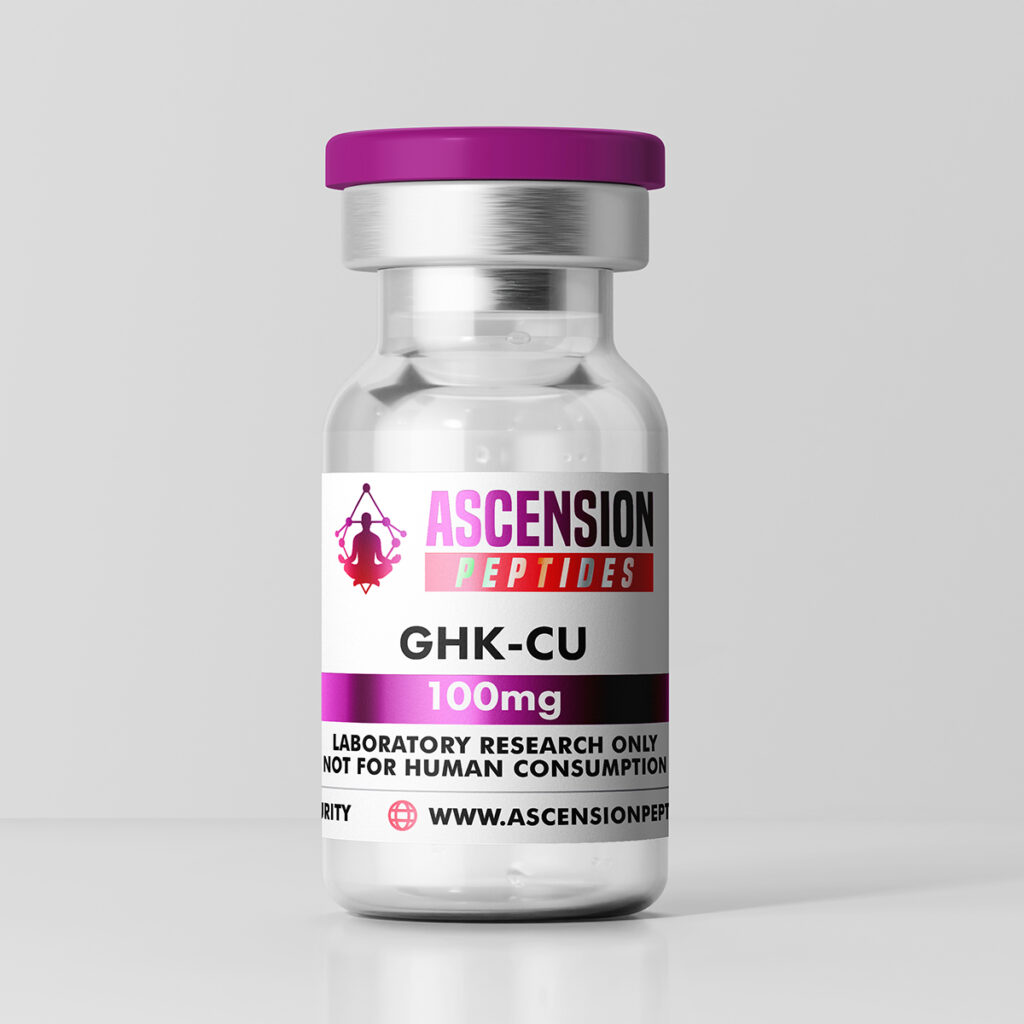
Longevity peptides are a broad marketing category. For now, this database keeps the category narrow and evidence-first, starting with GHK-Cu and its skin, hair and tissue-remodeling literature.
- Peptides covered
- 1
- Highest evidence
- 2/5
- Approved entries
- 0
How to compare this category
Use this page to separate cosmetic ingredient evidence, ex vivo hair-follicle findings and broader anti-aging claims.
- Separate topical cosmetic evidence from systemic anti-aging claims.
- Look for finished-product human outcomes, not only ingredient-level mechanisms.
- Treat broad longevity language as a hypothesis unless the endpoint was actually studied.
Evidence scale
Scores rate evidence quality for the listed research context. They are not recommendations, prescriptions or a safety ranking.
- Evidence 1/5
- Mechanistic rationale only; no meaningful outcome evidence.
- Evidence 2/5
- Mostly animal, ex vivo, cell, or indirect evidence.
- Evidence 3/5
- Limited human pharmacology or small clinical evidence.
- Evidence 4/5
- Investigational compound with human randomized or phase 2/3 evidence.
- Evidence 5/5
- Approved medication with substantial human clinical evidence.
| Peptide | Status | Evidence | Best for | Half-life | Actions |
|---|---|---|---|---|---|
| GHK-Cu Copper peptide complex | Research only | 2/5 Ingredient-level hair evidence | Copper peptide skin and hair research context Ingredient-level and ex vivo evidence; limited finished-product human trials | Hours |
Longevity peptide cards
Longevity guides
Read the strongest related guides for this category before drilling into a single database entry.
FAQ
What is the main longevity peptide in this database?
GHK-Cu is the main longevity-category peptide currently covered, mostly for skin remodeling, hair-related research and copper peptide biology.
Does GHK-Cu prove anti-aging effects in humans?
No. GHK-Cu has interesting ingredient-level and mechanistic evidence, but broad human anti-aging claims need stronger finished-product clinical data.
Why is the longevity peptide category narrow?
The category is intentionally narrow to avoid mixing marketing claims with evidence. More compounds should be added only when there is enough research context to compare them fairly.
More peptide categories
Compare weight loss peptides including GLP-1, GIP, amylin and triple-agonist compounds by approval status, mechanism, half-life and evidence score.
CompareHealing PeptidesCompare healing peptides such as BPC-157 and TB-500 by evidence quality, mechanism, research status and practical limitations.
CompareGrowth Hormone PeptidesCompare growth hormone peptides including ipamorelin, CJC-1295 and tesamorelin by GH-axis mechanism, approval status, half-life and evidence score.
CompareCognitive PeptidesCompare cognitive peptides such as Selank and Semax by mechanism, route, regional clinical history, evidence score and research limitations.
Compare