Ipamorelin
Also known as: NNC 26-0161
Selectively stimulates pituitary growth hormone release without significant cortisol or prolactin elevation seen with older GHRPs.
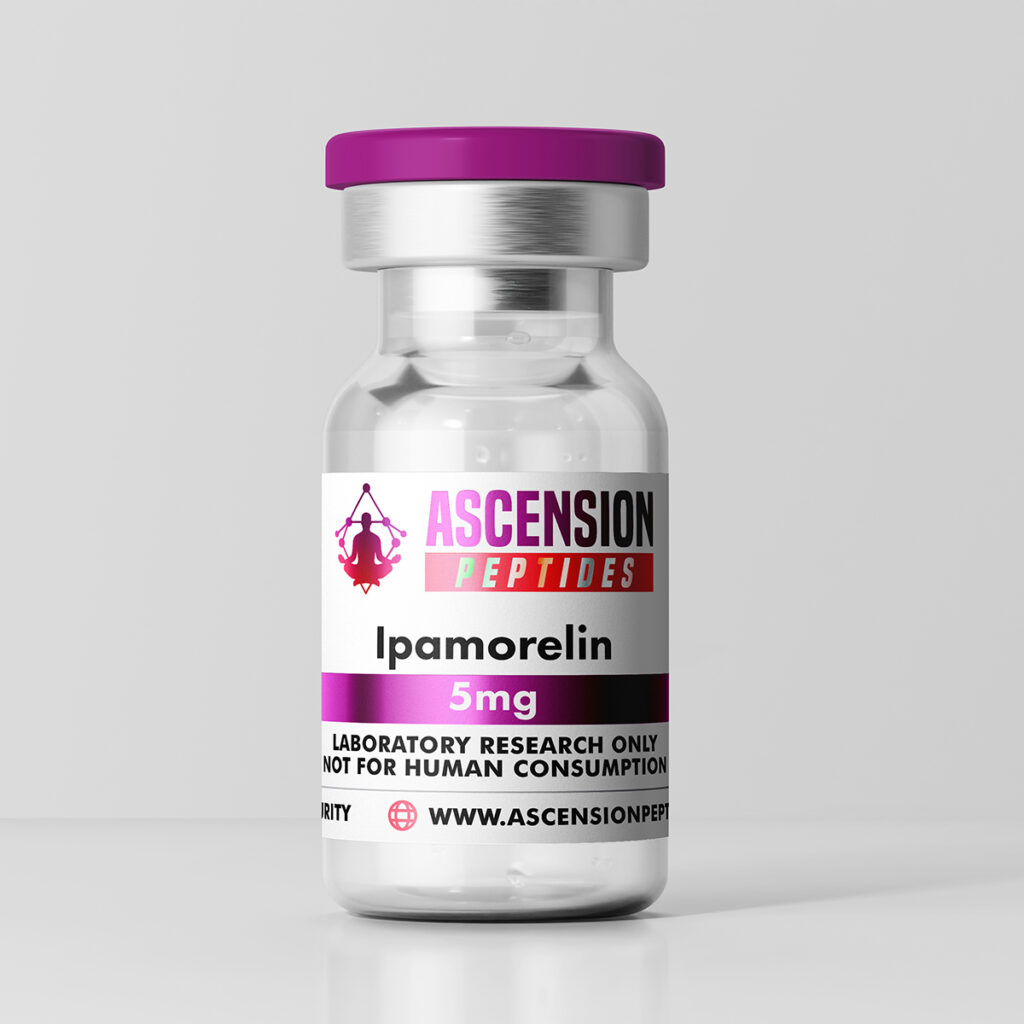
Limited human pharmacology
Ipamorelin has early pharmacology and human PK/PD evidence for GH release, but no approved indication or robust long-term outcome data.
Limited human pharmacology or small clinical evidence.
Evidence basis
- Human PK/PD study
- Early GH secretagogue pharmacology
- No approved indication
How to read this entry
Dose references and half-life values are pulled from trial protocols, labels, reviews, or published summaries where available. They are context for research and comparison, not a personal dosing recommendation.
Status matters: approved drugs have regulated indications; investigational compounds are still being studied; research-only peptides do not have established human dosing, safety, or efficacy for consumer use.
Ipamorelin guides
Read the matching guide or adjacent research pages for more context.
Compare with related peptides
Stay inside the same research category and compare mechanism, status and evidence quality.
CJC-1295
DAC:GRF
Long-acting growth-hormone-releasing hormone analog. The DAC variant binds serum albumin to extend half-life and sustain GH/IGF-1 elevation.
Tesamorelin
Egrifta
Stabilized GHRH analog. Approved for reduction of excess visceral abdominal fat in HIV-associated lipodystrophy.
Category hub
Open the category page for the full comparison table and FAQ.