BPC-157
Also known as: Body Protection Compound-157
Derived from human gastric juice. Animal models suggest effects on angiogenesis, tendon healing and GI repair; human clinical data is very limited.
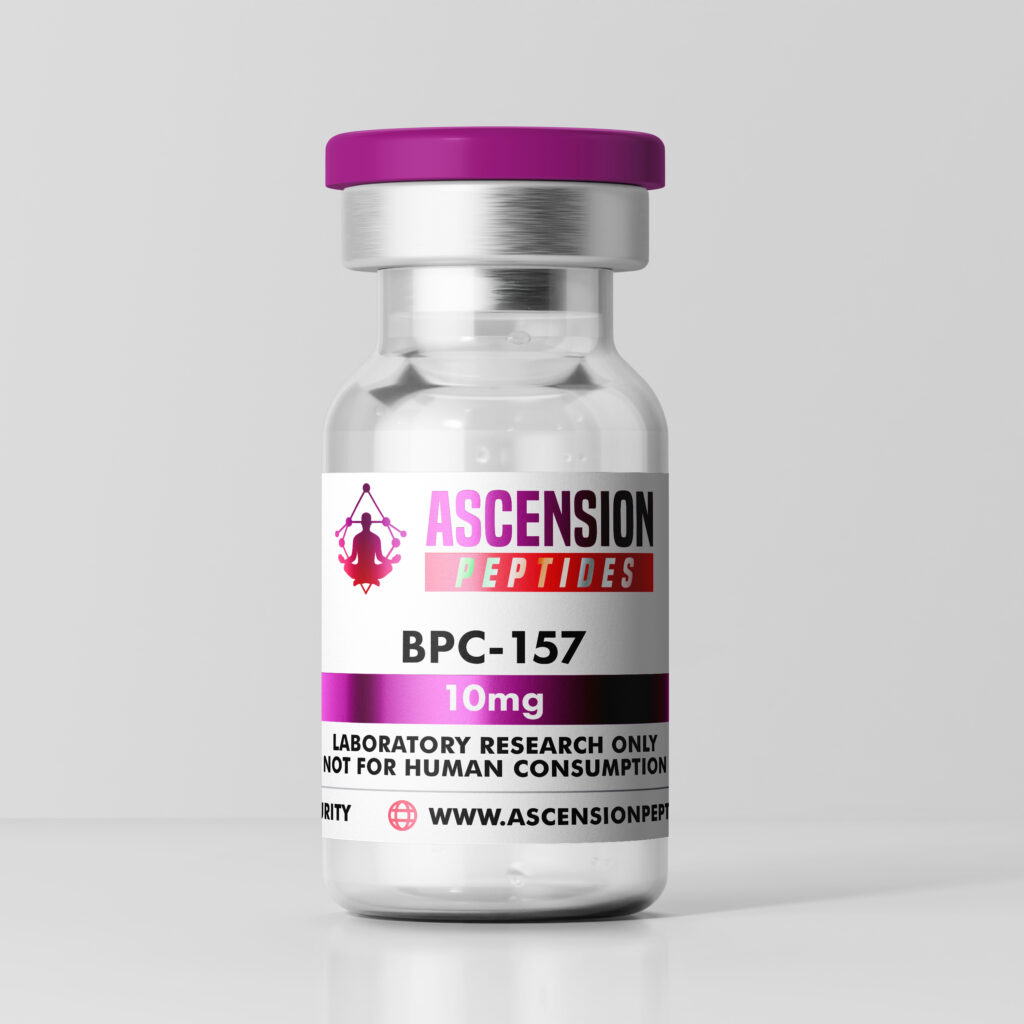
Mostly preclinical evidence
BPC-157 has animal and mechanistic injury-model evidence, but human clinical efficacy and dosing are not established.
Mostly animal, ex vivo, cell, or indirect evidence.
Evidence basis
- Animal injury models
- Narrative/review literature
- FDA safety-risk concerns for compounding
How to read this entry
Dose references and half-life values are pulled from trial protocols, labels, reviews, or published summaries where available. They are context for research and comparison, not a personal dosing recommendation.
Status matters: approved drugs have regulated indications; investigational compounds are still being studied; research-only peptides do not have established human dosing, safety, or efficacy for consumer use.
BPC-157 guides
Read the matching guide or adjacent research pages for more context.
Compare with related peptides
Stay inside the same research category and compare mechanism, status and evidence quality.
Category hub
Open the category page for the full comparison table and FAQ.